

PAYFAC SOLUTIONS

Author name: kalyan.kumary0987@gmail.com

Uncategorized

How to Keep Your IPTV Payments Safe from Fraud & Suspensions (Complete 2026 Guide)

Blog How to Keep Your IPTV Payments Safe from Fraud & Suspensions (Complete 2026 Guide) The IPTV industry is growing rapidly. More users are shifting from traditional cable TV to online streaming services. While this growth brings huge revenue opportunities, it also brings serious payment risks. If you run an IPTV business, you already know that fraud, chargebacks, and payment account suspensions can disrupt your income overnight. In this detailed guide, you’ll learn: Why IPTV is considered high-risk How to prevent fraud and chargebacks How to avoid payment gateway suspensions Best practices to keep your IPTV revenue secure Let’s dive in. Why IPTV Payments Are Considered High-Risk IPTV (Internet Protocol Television) businesses are labeled as “high-risk” by banks and payment processors. But why? Here are the main reasons:  International customer base  Recurring subscription billing  Higher-than-average chargebacks  Legal and licensing complexities  Industry reputation issues Because of these factors, many traditional payment gateways freeze or shut down IPTV merchant accounts without warning. That’s why choosing the right IPTV payment processor or high-risk payment gateway is critical for survival. Work Only with Licensed & Legal IPTV Services One of the biggest reasons IPTV businesses get suspended is due to copyright violations. Illegal IPTV services offering pirated content attract: Card network investigations Bank compliance reviews Account terminations Permanent blacklisting To protect your payment channels: Ensure your content is licensed Maintain documentation of content agreements Be transparent about your service Payment providers conduct background checks. If your IPTV service operates legally, your approval chances increase significantly. Choose a Reliable High-Risk Payment Gateway Using a standard payment processor for IPTV is risky. Most mainstream gateways are not built for IPTV businesses. Instead, work with a high-risk payment processor that understands: Subscription-based billing models Cross-border payments Chargeback-heavy industries Compliance monitoring A strong IPTV payment gateway should offer: Advanced fraud detection Real-time transaction monitoring Chargeback prevention tools Global currency support Recurring billing management The right processor reduces sudden account suspensions and stabilizes your cash flow. Implement Advanced Fraud Protection Systems Fraud is one of the biggest threats to IPTV businesses. Common fraud types include: Stolen credit card usage Card testing attacks Fake subscriptions Friendly fraud (false chargebacks) To protect your IPTV payments, implement:  IP Address Monitoring Detecting suspicious countries or risky IP addresses.  Velocity Checks Limit multiple rapid transactions from one user.  Device Fingerprinting Identify repeated fraud attempts from the same device.  3D Secure Authentication Add an extra layer of customer verification. Fraud detection reduces chargebacks and improves your reputation with payment providers. Keep Your Chargeback Ratio Below 1% Chargebacks are the #1 reason IPTV accounts get suspended. Card networks like: Visa Mastercard monitor your chargeback ratio closely. If your chargeback rate exceeds 1%, you enter a monitoring program. Exceed 2%, and you risk termination. How to Reduce Chargebacks: Send instant payment confirmations Use a recognizable billing descriptor Offer responsive customer support Provide clear cancellation options Use chargeback alert services Act fast if you notice sudden spikes. Investigate patterns immediately. Use Clear Billing & Transparent Policies Many chargebacks happen due to confusion, not fraud. Customers forget subscriptions. They don’t recognize billing names. They panic and dispute the charge. Prevent this by: Sending renewal reminders Using clear invoice descriptions Offering visible refund policies Providing 24/7 support contact Transparency reduces disputes dramatically. Secure Your IPTV Website Properly Your website security directly affects payment approval and fraud risk. Make sure your website: Uses HTTPS (SSL certificate) Follows PCI DSS compliance Has updated security plugins Blocks bots with CAPTCHA Encrypts user data A secure website builds trust with both customers and payment providers. Payment processors often review your website before approval. A professional and secure website increases acceptance rates. Offer Multiple Payment Methods Relying on one payment method is risky. Smart IPTV businesses diversify payment options: Credit & debit cards Cryptocurrency E-wallets Bank transfers If one channel faces restrictions, others keep your revenue flowing. Diversification reduces dependency and increases payment success rates. Monitor Transactions Daily Don’t wait for problems to escalate. Track: Failed transactions Refund requests High-risk countries Unusual transaction spikes Daily monitoring helps you detect fraud early. Many IPTV businesses fail because they ignore warning signs until their account is frozen. Maintain a Strong Online Reputation Your reputation impacts your ability to get and keep payment processing. Negative reviews and scam reports raise red flags. To maintain a clean reputation: Respond to customer complaints quickly Resolve issues professionally Avoid misleading advertisements Keep pricing transparent Payment providers often research your brand online before onboarding. A professional brand image builds long-term stability. Stay Updated with Payment Industry Regulations Payment rules change frequently. Card networks regularly update compliance standards and monitoring programs. Stay informed about: Updated chargeback thresholds Regional compliance laws Anti-money laundering policies KYC requirements Being proactive protects your IPTV payment infrastructure. Avoid Sudden Business Changes Payment processors monitor sudden spikes. Be cautious with: Massive traffic increases Sudden pricing changes Unusual promotional campaigns Aggressive marketing tactics Rapid growth without notice can trigger risk reviews. If you plan major changes, inform your payment provider in advance. Build a Long-Term Relationship with Your Processor Instead of jumping between providers, build trust with one reliable IPTV payment processor. Long-term relationships offer: Better approval rates Flexible processing limits Lower reserve requirements Faster issue resolution Trust reduces suspension risks significantly. Final Thoughts: Protecting Your IPTV Revenue in 2026 Running an IPTV business is profitable—but risky. Fraud, chargebacks, and payment suspensions can disrupt your operations overnight. However, with the right strategies, you can secure your income. Key Takeaways: Work only with licensed IPTV services Use a high-risk-friendly payment gateway Implement advanced fraud detection tools Keep chargebacks below 1% Maintain website security & transparency Diversify payment methods Monitor transactions regularly The IPTV industry will continue growing. Businesses that prioritize secure payment systems will dominate long term. If you’re serious about scaling your IPTV business safely, investing in the right high-risk payment processor isn’t optional — it’s essential. Secure your payments today, and build a stable IPTV business that lasts. Frequently Asked Questions What is a high-risk payment processor for IPTV businesses? A high-risk payment processor is a specialized provider

Uncategorized

The Selected Payment Option Is Not Supported for IPTV Products — What It Means and How to Fix It

Blog The Selected Payment Option Is Not Supported for IPTV Products — What It Means and How to Fix It If you are running an IPTV business or reselling IPTV services and you have hit the error message “the selected payment option is not supported for IPTV products,” you are not alone. This is one of the most common frustrations for IPTV operators, and it usually means one thing: your current payment processor has either blocked or restricted transactions from your business. In this post, we break down exactly why this happens, which types of IPTV businesses are affected, and what your options are to start accepting payments reliably. Why Does This Error Appear? The error itself is triggered at the payment gateway or processor level. When you attempt to process a payment — whether it is a one-time sale or a recurring subscription — the processor runs a check against its internal rules. If your business type or MCC (Merchant Category Code) is flagged as restricted, the transaction is declined before it ever reaches the bank. IPTV businesses are almost universally classified as high-risk by mainstream processors such as Stripe, PayPal, and Square. The reasons include: Subscription billing models with recurring charges, which carry a higher dispute rate Cross-border transactions, since many IPTV customers and providers operate in different countries Content compliance concerns, as some IPTV services carry unlicensed or grey-area content Elevated chargeback exposure, particularly for reseller panels and B2B wholesale accounts Limited transaction history or new business status, which increases perceived risk for the processor Who Is Affected by This Issue? This error affects almost every type of IPTV operator at some point. The most commonly impacted include: IPTV streaming service providers Direct-to-consumer IPTV platforms offering monthly or annual subscriptions are frequently declined by standard processors. Even legitimate, fully licensed services get caught in automated risk filters that do not distinguish between legal and grey-market operators. IPTV resellers and panel providers Resellers who manage sub-accounts and sell access through panels face an additional layer of difficulty. Their business model involves high transaction volumes and thin margins, which mainstream processors interpret as suspicious activity. B2B IPTV wholesalers and vendors Businesses selling IPTV credits, streams, or access in bulk to other resellers often deal with large, irregular payment amounts — another trigger for fraud filters at conventional payment gateways. What Not to Do When You See This Error Many IPTV operators try workarounds that ultimately make things worse. Before we get to the real solution, it is worth flagging what to avoid: Opening accounts under a different business category. Misrepresenting your business type to bypass filters is a terms violation and will lead to account termination and possible fund holds when discovered. Using personal PayPal or Stripe accounts for business transactions. These accounts have even lower thresholds for IPTV-related activity and are routinely shut down without warning. Cycling through multiple low-tier processors. Each account opening leaves a footprint, and repeated closures make it harder to get approved by a proper high-risk acquirer later. The Real Fix: A Dedicated IPTV Merchant Account The only sustainable solution is to work with a payment provider that specialises in high-risk merchant accounts and has direct relationships with IPTV-friendly acquiring banks. This is fundamentally different from opening an account with a general-purpose processor. A proper high-risk IPTV merchant account gives you: A payment gateway configured specifically for IPTV transaction types, so you stop hitting the “not supported” error Recurring billing and subscription management built in, including failed payment retries and dunning Multi-currency support for international transactions across your subscriber base Chargeback monitoring and fraud protection tools designed for the IPTV dispute profile Crypto payment options as an alternative channel for customers who prefer not to use cards PCI-DSS compliant infrastructure with tokenisation and 3D Secure support What to Look for in an IPTV Payment Processor Not every company that claims to support high-risk payments actually has experience with IPTV specifically. When evaluating providers, ask these questions: Do you have existing relationships with banks that accept IPTV as a business category? Can you support both B2C subscription billing and B2B wholesale/reseller payment flows? What is your typical approval timeline for new IPTV merchant accounts? How do you handle chargeback disputes and what tools are available to merchants? Do you support multiple currencies and international acquiring? How Long Does IPTV Merchant Account Approval Take? Approval timelines vary by provider and the complexity of your business. With a specialist high-risk payment provider, you can typically expect: Initial application review within 24 to 48 hours Full underwriting and bank approval within 3 to 7 business days for most applications Processing live within 1 to 2 weeks in most cases Having clean documentation ready — including business registration, website details, and any prior processing history — speeds up the process significantly. Get in Touch with Payfac Solutions At Payfac Solutions, we work with IPTV streaming platforms, resellers, panel providers, and B2B wholesalers to set up reliable, compliant payment processing. We have relationships with 20+ IPTV-friendly acquiring banks and handle the underwriting process on your behalf. If you are currently blocked from accepting payments, or if you want a more stable solution than what you have now, get in touch with our team. We will review your business, match you with the right acquiring partner, and get you processing as quickly as possible. Contact us to get started. Frequently Asked Questions Why does my IPTV payment keep getting declined? Most mainstream processors like Stripe and PayPal classify IPTV as high-risk and block transactions automatically. The fix is to use a payment provider that specializes in high-risk merchant accounts with IPTV-friendly acquiring banks. Is IPTV considered high-risk for payment processing? Yes. IPTV businesses face elevated chargeback rates, cross-border transactions, and subscription billing — all of which trigger high-risk classifications from standard processors. Can I use PayPal or Stripe for my IPTV business? Not reliably. Both platforms routinely terminate accounts and hold funds when they detect IPTV-related activity. A dedicated high-risk merchant account is the only stable long-term solution. How

Uncategorized

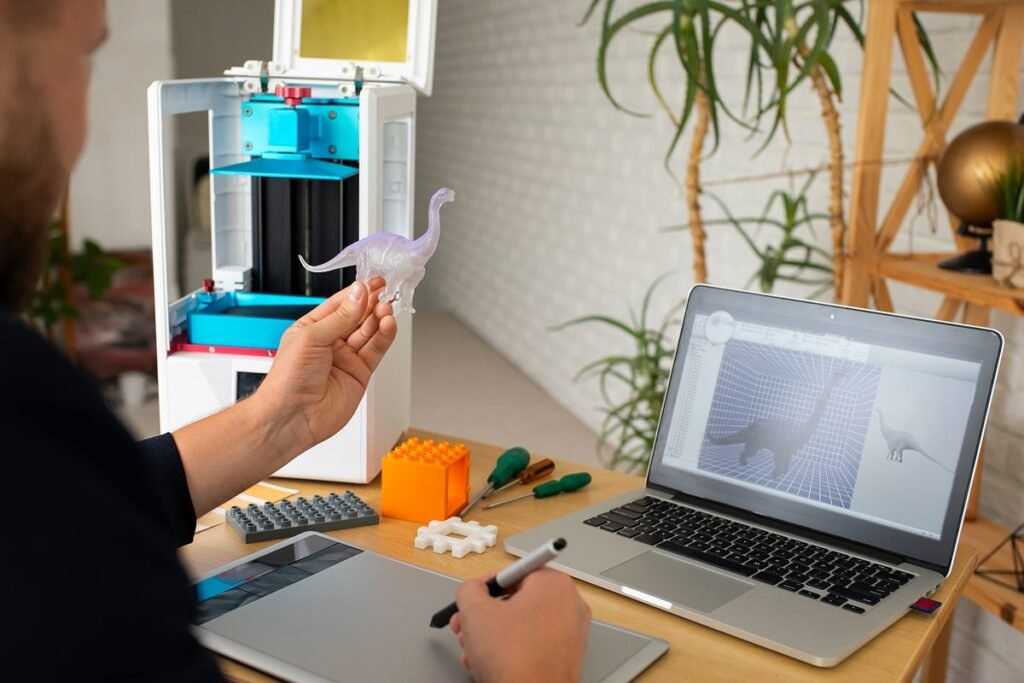
Why 3D Printing Companies Need High-Risk Payment Processing Solutions

Blog Why 3D Printing Companies Need High-Risk Payment Processing Solutions The 3D printing industry has transformed modern manufacturing. From rapid prototyping and custom consumer goods to aerospace components and medical implants, additive manufacturing is reshaping how products are designed and delivered. However, while innovation drives this industry forward, many 3D printing companies face a less-discussed challenge: payment processing restrictions. Traditional banks and mainstream payment providers often label 3D printing businesses as “high-risk.” As a result, companies struggle with merchant account approvals, unexpected fund holds, chargebacks, and even sudden account closures. If you operate a 3D printing service, understanding why you’re categorized as high-risk — and how specialized high-risk payment processing can protect your revenue — is essential. Why Are 3D Printing Businesses Classified as High-Risk? Payment processors assess risk based on transaction patterns, industry regulations, dispute rates, and fraud exposure. Unfortunately, several characteristics of 3D printing businesses trigger red flags. 1. High-Value Transactions & Chargeback Exposure Many 3D printing companies handle: Industrial manufacturing contracts Custom-engineered parts Bulk B2B orders Specialized medical or aerospace components These transactions often range from hundreds to thousands of dollars. High-ticket sales automatically increase risk for payment processors. If a customer disputes a $5,000 order, the financial impact is much greater than a $50 eCommerce item. Additionally, 3D printed products are typically: Custom-made Non-refundable Designed to customer specifications If a buyer claims dissatisfaction, delays, or quality concerns, they may file a chargeback. Since custom goods can’t easily be resold, businesses often absorb the loss. From a bank’s perspective, this creates a higher dispute probability — leading to the high-risk label. 2. Intellectual Property & Legal Concerns The 3D printing industry operates in a complex legal environment. Common regulatory concerns include: Unauthorized reproduction of patented designs Copyright infringement Product liability claims Export restrictions for sensitive parts For example, recreating proprietary mechanical components or restricted aerospace designs can create compliance risks. Even if your business operates legally, payment processors may hesitate due to potential intellectual property disputes. This regulatory uncertainty makes traditional banks cautious. 3. Fraud & Card-Not-Present Risks Most 3D printing companies operate online, accepting remote payments through websites or digital platforms. That means: Card-not-present transactions International orders Large digital file uploads Fraudsters sometimes use stolen credit cards to purchase high-value prints. When the real cardholder disputes the transaction, the business loses both the product and the payment. Because 3D printing is still considered a niche industry, some fraud detection systems are not optimized for it. This increases risk exposure for processors. 4. Long Production & Delivery Timelines Unlike traditional eCommerce stores that ship ready-made products, 3D printing involves: Design revisions Prototype testing Material sourcing Production timelines that may take days or weeks If customers grow impatient and initiate a chargeback before delivery, the merchant loses funds — even if the order is legitimate. Long fulfillment cycles are another major reason payment providers classify 3D printing services as high-risk businesses. Common Payment Processing Challenges for 3D Printing Companies When working with traditional processors, 3D printing companies often encounter serious operational disruptions. 1. Sudden Account Freezes Mainstream payment providers closely monitor chargeback ratios. If they exceed acceptable thresholds, they may: Freeze funds for 90–180 days Suspend payment processing Terminate merchant accounts without warning For a growing 3D printing company, this can cripple cash flow overnight. 2. Merchant Account Rejections Banks prefer low-risk industries with predictable transaction behavior. Because 3D printing includes: Custom manufacturing Variable pricing B2B contracts International payments Approval rates are often lower than standard retail businesses. Without a reliable high-risk merchant account, companies may struggle to accept: Credit cards Digital wallets International payments 3. High Processing Fees & Rolling Reserves Even when approved, high-risk businesses typically face: Processing fees between 3%–6% Chargeback fees Rolling reserves (5–10% of revenue held for months) While higher fees are expected in high-risk industries, unfair contract terms can significantly reduce profit margins. Choosing the right high-risk payment processor helps minimize these costs. 4. Limited Payment Options Customers expect flexible payment methods. Restricting options can reduce conversion rates. A 3D printing company that only accepts: Wire transfers Bank transfers Cryptocurrency may lose customers who prefer: Visa & Mastercard Digital wallets Local payment methods A strong payment partner expands your payment ecosystem. How High-Risk Payment Processors Support 3D Printing Businesses Specialized high-risk payment providers understand the unique nature of additive manufacturing businesses. Here’s how they help: 1. Dedicated High-Risk Merchant Accounts Unlike traditional banks, high-risk processors: Accept higher chargeback thresholds Evaluate business models more accurately Structure accounts around industry realities This reduces the risk of sudden shutdowns. 2. Advanced Fraud Prevention Tools Modern high-risk payment providers offer: 3D Secure authentication AI-powered fraud screening Velocity checks Device fingerprinting Real-time transaction monitoring These tools significantly reduce fraudulent transactions and protect revenue. 3. Chargeback Management & Dispute Assistance Top-tier processors provide: Early chargeback alerts Representment support Automated dispute tracking Evidence submission tools Instead of losing disputes automatically, businesses gain the tools needed to fight invalid claims. 4. Multi-Currency & Global Payment Support Many 3D printing businesses operate internationally. High-risk processors can provide: Multi-currency merchant accounts Offshore acquiring banks Reduced cross-border decline rates Localized payment routing This improves approval rates and lowers international transaction fees. 5. Faster Approvals & Onboarding Traditional banks may take weeks to review applications. High-risk processors often approve accounts within days, helping businesses: Launch faster Avoid downtime Maintain cash flow stability How to Choose the Best High-Risk Payment Processor for 3D Printing Not all high-risk providers are equal. Choosing the right partner is critical. 1. Industry Experience Matters Select a processor with experience in: Manufacturing Custom-made goods High-ticket transactions B2B and B2C models Ask if they’ve worked with other 3D printing companies. 2. Transparent Pricing Structure Look for: Clear transaction fees Reasonable rolling reserves No hidden setup costs Month-to-month contracts Avoid long-term lock-in agreements unless terms are favorable. 3. Strong Fraud & Chargeback Tools Ensure the processor offers: 3D Secure AI-based fraud monitoring Chargeback alerts Dispute management dashboards Prevention is always more cost-effective than reacting after losses occur. 4. Reliable Customer Support Payment issues require fast solutions.

Uncategorized

Step-by-Step Guide: Opening a Merchant Account for Your 3D Printing Business in the UK

Blog Step-by-Step Guide: Opening a Merchant Account for Your 3D Printing Business in the UK The UK 3D printing industry is booming. From custom prototypes and medical devices to architectural models and bespoke consumer products, the demand for 3D printing services continues to grow rapidly. However, while innovation is exciting, payment processing can be complicated — especially when your business is classified as high-risk. If you’re running or planning to start a 3D printing company, securing a high risk merchant account in the UK is one of the most important steps to ensure smooth operations. In this complete guide, we’ll explain: Why 3D printing businesses are considered high-risk How to open a merchant account for 3D printing services What documents you need How to reduce chargebacks How to choose the best high-risk merchant service provider Let’s get started. Why Is a 3D Printing Business Considered High-Risk in the UK? Many entrepreneurs are surprised when traditional banks reject their merchant account application. But from a payment processor’s perspective, 3D printing businesses present certain risks. Here’s why:  High Chargeback Potential Custom products often lead to disputes if the final item does not match customer expectations. Since 3D prints are usually made-to-order, refunding isn’t always straightforward.  Intellectual Property Concerns 3D printing can involve copyrighted designs, patented products, or branded replicas. Banks worry about IP violations.  Regulated Products Some 3D printing companies produce: Medical devices Mechanical components Firearm-related parts (restricted) This increases compliance scrutiny.  High Transaction Values Bespoke 3D printing projects can cost hundreds or even thousands of pounds — larger transactions mean greater risk exposure for processors. Because of these factors, many financial institutions classify the industry under high-risk business bank account UK categories. This doesn’t mean you can’t get approved — it simply means you need the right provider. Step 1: Choose a High-Risk Merchant Account Provider That Understands Your Industry Not all payment processors support high-risk businesses. In fact, mainstream banks often decline applications outright. When searching for a high risk merchant account UK, look for providers that: Specialize in high-risk industries Offer flexible underwriting Provide fraud prevention tools Allow scalable processing volumes Have experience with manufacturing or custom production businesses Working with a specialist high-risk payment processor significantly increases approval chances. Step 2: Understand the Costs of High-Risk Merchant Accounts High-risk merchant accounts typically have higher fees than standard accounts. This is normal and reflects the perceived risk level. Here are the typical fees you should expect: Setup fees Monthly maintenance fees Transaction fees (2.5%–6% depending on risk profile) Chargeback fees Rolling reserves (sometimes required) When comparing providers, avoid focusing only on price. Stability and reliability matter more than slightly lower transaction rates. Step 3: Prepare All Required Documentation Preparation improves approval speed. Most UK high-risk merchant service providers will request: Business Documentation Companies House registration Certificate of incorporation VAT registration (if applicable) Identity Documents Passport or driving license Proof of address Financial Details Business bank account information Previous 3–6 months of processing statements (if available) Expected monthly volume Average transaction size Website & Compliance Live website with clear product descriptions Refund and return policy Terms and conditions Privacy policy PCI-DSS compliance confirmation For high-risk categories like 3D printing, underwriters may also request: Risk mitigation plan Fraud prevention strategy Clear quality control procedures Being transparent improves trust. Step 4: Go Through the Underwriting Process Once submitted, your application goes through underwriting. The processor evaluates: Credit history Business model Industry risk exposure Chargeback risk Financial stability Approval timelines vary from 3 days to 2 weeks depending on complexity. If approved, you’ll receive: Merchant ID (MID) Access to payment gateway Settlement schedule Integration instructions Step 5: Integrate a Secure Payment Gateway Once your merchant account is active, you must integrate payment processing into your website or invoicing system. Important steps include:  SSL Encryption Your website must use HTTPS.  PCI-DSS Compliance This ensures secure card handling.  Multiple Payment Options Offer: Visa Mastercard Digital wallets Bank transfers  Fraud Detection Tools Enable: Address Verification (AVS) CVV verification 3D Secure authentication This reduces disputes significantly. How to Reduce Chargebacks in a 3D Printing Business Since 3D printing is a high-risk sector, managing disputes is critical. Here’s how: Provide Detailed Product Descriptions Include dimensions, materials, tolerances, and realistic images. Set Clear Expectations Explain production timelines and customization limitations. Use Signed Delivery Confirmation Always obtain proof of delivery. Maintain Transparent Refund Policies Custom products should have clearly defined refund conditions. Respond Quickly to Customer Complaints Many chargebacks happen because customers can’t reach support. Traditional Banks vs High-Risk Specialists: What’s the Difference? Traditional Bank: Approval Rate: Low Industry Knowledge: Limited Fraud Tools: Basic Flexibility: Rigid Support: Standard High-Risk Specialist: Approval Rate: High Industry Knowledge: Specialized Fraud Tools: Advanced Flexibility: Flexible Support: Dedicated For 3D printing businesses, specialized providers offer a much smoother experience. Why Working with an Experienced High-Risk Payment Partner Matters Choosing the wrong provider can lead to: Frozen funds Sudden account termination High rolling reserves Business disruption A stable merchant account ensures: Consistent cash flow Faster settlements Lower dispute ratios Business scalability Final Thoughts Opening a merchant account for 3D printing services in the UK may seem complicated at first, but with the right approach, it’s entirely achievable. The key steps include: Understanding why your industry is considered high-risk Choosing experienced high-risk merchant service providers Preparing complete documentation Implementing strong fraud and chargeback prevention strategies With a reliable high risk merchant account UK solution in place, your 3D printing business can operate smoothly, scale confidently, and accept payments without interruption. If you’re serious about building a stable payment infrastructure for your 3D printing company, working with a provider that understands high-risk industries makes all the difference. Your innovation deserves reliable payment processing. Frequently Asked Questions What is a high risk merchant account in the UK? A high risk merchant account in the UK is a specialized payment processing account designed for businesses that traditional banks consider higher risk. It allows companies such as 3D printing services to accept credit and debit card payments despite higher chargeback potential, regulatory concerns, or large transaction volumes. Why

Uncategorized

Common Reasons 3D Printing Businesses Get Rejected for Merchant Accounts (And How to Avoid Them)

Blog Common Reasons 3D Printing Businesses Get Rejected for Merchant Accounts (And How to Avoid Them) Starting a 3D printing business can be incredibly rewarding. From custom prototypes to industrial components and personalized products, the opportunities are endless. However, many 3D printing entrepreneurs face a major obstacle early on — getting approved for a high-risk merchant account. If your application has been declined, you’re not alone. Payment processors often categorize 3D printing as a high-risk industry. That doesn’t mean approval is impossible — it simply means you need the right approach. In this guide, we’ll explain: Why 3D printing businesses are labeled high-risk The most common reasons for merchant account rejection Practical steps to improve approval chances How the best high-risk merchant account providers can help Let’s break it down. Why Is 3D Printing Considered High Risk? Banks and payment processors evaluate risk based on chargebacks, fraud potential, regulatory exposure, and product type. The 3D printing industry raises several red flags: Custom-made products (higher dispute rates) Longer production timelines Possibility of restricted item production Rapid scaling and unpredictable sales volumes Because of these factors, many traditional banks automatically reject 3D printing merchant account applications. But understanding the risks helps you fix them. 1. High Chargeback Risk One of the biggest reasons 3D printing businesses get rejected is high chargeback potential. Why It Happens Customers may feel the final printed product doesn’t match expectations. Custom orders often cannot be resold. Long production times can cause frustration. Design misunderstandings lead to refund requests. Chargebacks hurt payment processors financially. If they believe your business will generate too many disputes, they may deny your application. How to Avoid It 1. Set Clear Expectations Use high-quality images and 3D mockups. Provide exact dimensions and material details. Include tolerance information for industrial parts. 2. Establish Transparent Policies Display refund and cancellation policies clearly. Specify non-refundable custom orders (where legally allowed). 3. Communicate Delivery Timelines Avoid unrealistic turnaround promises. Offer production updates via email. 4. Work With High-Risk Specialists The best high-risk merchant account providers offer built-in chargeback management tools and fraud monitoring systems that reduce disputes. Proactive customer service dramatically lowers chargeback ratios — and improves approval odds. 2. No Business History or Processing Track Record If your 3D printing company is new, processors may see you as unpredictable. Why It Happens Banks prefer established businesses with: Stable monthly revenue Low dispute history Proven transaction consistency Startups without processing history appear risky. How to Avoid It Start Small Accept payments through alternative platforms initially. Build 3–6 months of sales data. Create Financial Stability Open a dedicated business bank account. Maintain positive cash flow. Apply Through Startup-Friendly Providers Many high-risk merchant account service providers specialize in helping new businesses without long track records. Showing even a few months of stable transactions increases approval chances significantly. 3. Selling Restricted or Regulated Products 3D printing technology allows incredible innovation — but it also opens the door to regulated items. Why It Happens Some processors immediately reject businesses selling: Firearm components Medical-grade devices Patented designs without authorization Branded replicas Even if you don’t sell restricted items, unclear product descriptions can trigger automatic rejection. How to Avoid It Be Transparent Clearly explain: What you print Materials used Target industries Avoid Legal Gray Areas If you print weapon parts or medical tools, you’ll need specialized high-risk processing solutions. Provide Compliance Documentation Include licenses or certifications if applicable. Honesty during the application process builds trust. Hiding product details almost always leads to denial. 4. Poor Credit History Many payment processors conduct credit checks before approval. Why It Happens They evaluate: Personal credit score Business credit profile Bankruptcy history Outstanding debts Poor credit suggests potential financial instability. How to Improve Your Chances Improve Your Credit Score Pay down outstanding balances Avoid late payments Reduce credit utilization Choose Credit-Flexible Providers Some high-risk merchant account service providers focus more on business performance than personal credit. Provide Financial Statements Strong bank statements can offset weak credit scores. Even if your credit isn’t perfect, approval is still possible with the right provider. 5. Unprofessional or Weak Website Your website acts as your digital storefront. If it looks untrustworthy, processors assume customers may dispute transactions. Why It Matters Payment providers review: Website design quality Contact information visibility Refund policy presence Terms & conditions SSL certificate security Product clarity A poorly designed website increases perceived fraud risk. How to Fix It Upgrade to a Professional Domain Avoid free subdomains like: yourbusiness.wordpress.com yourstore.wixsite.com Use a branded domain instead. Install SSL Security Make sure your website shows “https” and a secure padlock icon. Add Essential Pages Refund Policy Shipping Policy Privacy Policy Terms & Conditions Contact Page (phone + email) Professional presentation significantly improves merchant account approval chances. 6. Sudden High Transaction Volumes Rapid spikes in revenue can alarm processors. Why It Happens If your business suddenly processes large volumes, banks worry about: Fraud activity Unsustainable growth Inability to cover chargebacks How to Avoid Issues Scale Gradually Start with lower limits and increase volume over time. Maintain Reserves Keeping funds in reserve reassures processors. Choose Flexible High-Risk Providers The best high-risk merchant account providers offer rolling reserves tailored to your business model. Gradual scaling builds trust and long-term stability. 7. Incomplete or Misleading Applications One of the most common rejection reasons is inaccurate information. Common Mistakes Underreporting expected volume Hiding certain products Providing inconsistent financial data Using mismatched business details Payment processors verify everything. Solution Be completely transparent. Explain your business model clearly. Outline how you reduce risk (quality control, fraud detection, customer service). Honesty builds credibility. How to Improve Approval Chances for Your 3D Printing Merchant Account Now that you know the risks, here’s a step-by-step strategy to strengthen your application. 1. Choose the Right High-Risk Merchant Account Provider Avoid traditional banks that reject high-risk industries. Instead, look for providers experienced with: Custom manufacturing Print-on-demand businesses E-commerce sellers Industrial services The best high-risk merchant account providers understand 3D printing and offer tailored solutions. 2. Build a Strong Business Foundation Register your

Uncategorized

Seamless Cross Border Payments: How to Perform International Transactions in 2025

Blog Seamless Cross Border Payments: How to Perform International Transactions in 2025 Cross border payments have become increasingly popular with the advent of corporate globalisation. Thus, many businesses are switching to the efficient, safe, and user-friendly methods to perform international transactions with minimal effort and cost. As a result, two cross border payment types come to the scene: international gateways and international payment processors. What exactly are these; key things to keep in mind when performing these transactions and various types of cross border payments? Let’s unveil these in brief in this blog! International Payment Gateways vs. Payment Processors Payment gateways and payment processors may seem interchangeable at first sight, but there are noticeable differences between them. Payment gateways are the intermediaries between the sender and the payment receiver. It collects your card or bank details, encrypts them, and then sends them safely for approval. In other words, they collect and send payment info to the required money receiver. On the other hand, payment processors are the actual processors that move the money during transactions. It checks if the sender has enough funds to transfer money and then accepts or declines the payment to the seller. In short, they move the money between two accounts. Red Flags to Consider When Choosing Cross Border Payment Methods There are certain red flags to consider when you’re performing cross border payment transactions. They act as the critical checklist to ensure during the process. Here are those critical red flags listed: 1. Transactional Security: Ensure there’s robust security through Three-Factor Authentication (3FA) and encryption during transactions. 2. Money Transfer Cost: Cross border gatewayshave a nominal fee depending on the sender’s and receiver’s location, varying from country-to-country. It’s important to verify them beforehand before performing the necessary operations. 3. Speed of Transaction: Time is money in the competitive corporate environment. Check that the payment methods you’re leveraging have enough speed to perform transactions even through smartphones and tablets while travelling or multi-tasking. 4. Understanding the Local Laws Regulations: Every country has some sort of laws and regulations concerning cross border transactions. For instance, the UK levies import duty on products from India. Have a clear and transparent knowledge of these rules. Key Types of Cross Border Payments Solutions Below listed are the key cross border payment solutions that are widely accepted in the modern corporate landscape: 1. International Transfer Providers International transfer providers are like a middleperson. You give them money in your country (UK, in our case), and they deliver it to another country (for instance, India). In essence, they serve as a payment gateway that streamlines your money transfer in less time with minimal effort and processing fees. 2. P2P Payments P2P, or person-to-person, payment is the most popular way of sending money due to its practicality and user-friendliness. You may have used them in your day-to-day life without realising it. The common examples include Unified Payment Interface (UPI), where you send money directly from your phone to another person’s smartphone. Although it comes with a drawback, as they may not be functional in all countries, like Singapore, the UAE, Sri Lanka, France, etc. 3. SWIFT Payments SWIFT payments are the most traditional way of cross border gateways that rely on bank-to-bank transfer system. Similar to P2P payments, you may have used this method. For instance, you may have visited the bank, filled in the receiver’s details, and had the money transferred. This method is highly secure, although it’s the slowest compared to all other methods. Consequently, these methods are rarely used in the time-bound corporate landscape. 4. Debit Cards A debit card is the physical card to pay money through swiping, enabling money transfer from one bank account to another. Moreover, it allows you to withdraw cash through various ATM machines worldwide. For instance, you can withdraw money from HSBC through ATMs in the United States (US). However, they charge a small percentage of currency conversion fees. 5. Credit Cards Credit cards are similar to debit cards, except they pay for you first and then bill you later in your local currency. This method is widely accepted and can act as a lifeline during an emergency situation in an event of smaller bank balance than required to transfer. However, their exorbitant interest rates and foreign transaction rates can make it costlier and comparatively less practical. Power Your Cross Border Payments with Payfac Solutions Cross border payment solutions should be hassle-free and seamless. That’s what we, Payfac Solutions, believe in, forming a key pillar of our mission to simplify global transactions. With the reputation of delivering worldwide happiness through effortless payment solutions, we’ve earned trust from thousands of users worldwide since our inception. You can be on the list. Simply consult our team by clicking HERE. Make Payfac Solutions your first-go solution to simplify cross border payment transactions!

Uncategorized

What Is a Fantasy Sports Merchant Account And Why Does Your Platform Need One?

Blog What Is a Fantasy Sports Merchant Account And Why Does Your Platform Need One? Running a fantasy sports platform is exciting and profitable—but it also comes with serious financial and regulatory challenges. From fraud risks to high chargeback ratios and strict compliance requirements, fantasy sports businesses often fall under the “high-risk” merchant category. To operate smoothly and securely, you need a reliable fantasy sports merchant account. In this comprehensive guide, you’ll learn: What a fantasy sports merchant account is Why your platform absolutely needs one Key benefits for league operators Step-by-step process to get approved How to choose the right payment partner Let’s dive in. What Is a Fantasy Sports Merchant Account? A fantasy sports merchant account is a specialized payment processing account designed specifically for fantasy sports platforms. It allows operators to securely: Accept player deposits Process entry fees Manage prize pools Transfer winnings back to users Unlike a standard business merchant account, this type is built for industries considered “high-risk” due to: High transaction volumes Chargeback potential Regulatory scrutiny Fraud exposure Think of it as a secure financial bridge between your fantasy sports app and the banking/payment network. It ensures two-way transactions happen safely, quickly, and in compliance with financial regulations. Why Fantasy Sports Businesses Are Considered High-Risk Fantasy sports platforms face unique financial risks: 1. Chargeback Risks Players may dispute transactions, especially if they lose money. Excessive chargebacks can result in: Hefty penalties Frozen funds Account termination 2. Fraud & Identity Issues Cybercriminals often target gaming and fantasy platforms for: Card testing Account takeovers Bonus abuse 3. Regulatory Compliance Fantasy sports must comply with: Payment gateway regulations Anti-money laundering (AML) rules KYC verification standards 4. High Transaction Volume Large prize pools and lump-sum payouts require a system capable of handling bulk transactions without errors. This is where a fantasy sports merchant account becomes essential. Why Your Fantasy Sports Platform Needs a Merchant Account 1. Secure Payment Processing Security is the top priority. A specialized merchant account provides: Fraud monitoring systems Risk management tools Encryption technology Chargeback prevention mechanisms This protects both your business and your players. 2. Faster Payouts to Winners Nothing builds trust like quick withdrawals. With a dedicated merchant account, you can: Process winning payouts instantly Reduce transaction delays Improve user satisfaction Increase player retention A smooth withdrawal experience directly impacts customer loyalty. 3. Multiple Payment Methods Modern users expect flexibility. A fantasy sports merchant account allows players to transact through: Debit cards Credit cards UPI Net banking E-wallets This improves conversion rates and reduces abandoned transactions. 4. Legal & Regulatory Compliance Fantasy sports operate under strict financial guidelines. A proper merchant account ensures: Compliance with payment processing regulations Adherence to KYC & AML policies Reduced risk of penalties Transparent transaction reporting This keeps your platform safe from legal complications. H3:5. High-Volume Transaction Handling Fantasy sports apps often handle: Large contest pools Simultaneous deposits Bulk prize payouts A specialized account is designed to manage high transaction loads without downtime or errors. Key Benefits of a Fantasy Sports Merchant Account Here’s a quick summary of the advantages: Fraud Protection – Reduces financial loss by preventing unauthorized or suspicious transactions. Chargeback Management – Prevents penalties and protects your business from excessive disputes. Multiple Payment Options – Improves user experience by allowing players to pay through cards, UPI, net banking, and e-wallets. Fast Settlements – Builds player trust by ensuring quick deposits and smooth withdrawals. Regulatory Compliance – Avoids legal risks by following payment industry rules and government regulations. Scalability – Supports business growth by handling increasing transaction volumes efficiently. How to Get a Fantasy Sports Merchant Account (Step-by-Step Guide) Setting up your merchant account requires proper planning and documentation. Follow these steps: Step 1: Choose a Reliable Payment Partner Not all payment providers support high-risk industries like fantasy sports. When selecting a provider, look for: Experience in gaming/fantasy sector Positive online reviews Transparent pricing Strong fraud detection tools Dedicated support team Conduct proper research before finalizing your decision. Step 2: Submit an Online Application Most providers offer an online application process. You’ll typically need to provide: Business registration documents PAN card details Bank statements Website/app details Company incorporation certificate Make sure all information is accurate to avoid delays. Step 3: Platform Risk Assessment The payment provider will review: Your app or website security Business model Terms & conditions Refund and payout policies Compliance structure This ensures your platform meets risk and regulatory standards. Step 4: Approval Process Approval timelines vary depending on: Documentation accuracy Risk profile Industry classification High-risk industries like fantasy sports may take slightly longer for approval. Patience is key during this stage. Step 5: Integration & Go Live Once approved: Integrate the payment gateway API Test transactions Activate fraud filters Start accepting deposits Your fantasy sports platform is now ready to process secure payments. Common Mistakes to Avoid When applying for a fantasy sports merchant account, avoid: Submitting incomplete documentation Ignoring compliance requirements Choosing the cheapest provider over the most reliable Overlooking chargeback management tools Failing to implement strong KYC processes These mistakes can result in account rejection or suspension. Why Choose Payfac Solutions? When it comes to secure and compliant payment processing, Payfac Solutions stands out as a trusted partner for fantasy sports businesses. Here’s what makes Payfac Solutions different: Advanced fraud protection systems Strong chargeback management tools Seamless and quick winning payouts Compliance with government and banking regulations Secure and transparent transaction processing They prioritize both player safety and platform security, ensuring your fantasy sports business operates smoothly without financial disruptions. If you’re serious about scaling your fantasy sports platform while minimizing risk, partnering with an experienced provider like Payfac Solutions can make all the difference. To learn more about their services and expertise, visit their official website and explore how they can support your payment infrastructure. Final Thoughts The fantasy sports industry offers immense growth opportunities—but it also carries financial and regulatory challenges. A fantasy sports merchant account is not just an option—it’s a necessity. It provides: Secure payment processing Faster payouts Fraud protection Chargeback management Legal compliance Business scalability Without a

Uncategorized

How to Choose the Best Online Dating Merchant Account for Your Dating Site

Blog How to Choose the Best Online Dating Merchant Account for Your Dating Site The online dating industry in the UK is booming. With millions of users subscribing to premium memberships and exclusive features, dating platforms generate significant recurring revenue. However, there’s one major challenge most dating businesses face: Banks and traditional processors often label dating platforms as “high-risk,” leading to declined applications, frozen funds, or sudden account terminations. If you run an online dating platform, choosing the right high-risk merchant account UK is not optional — it’s essential for stable growth. This guide explains everything you need to know and how to choose the best provider to maximise approvals, reduce chargebacks, and increase profits. What Is an Online Dating Merchant Account? An online dating merchant account is a specialised payment processing account designed for businesses operating in high-risk sectors like online dating. It allows your platform to securely accept: Credit card payments (Visa, Mastercard) Debit card payments Recurring subscription billing International transactions Digital wallets These payments typically cover: Premium memberships Unlimited messaging Profile boosts Advanced search features VIP subscriptions Without a high-risk merchant account, your dating business may experience: High decline rates Payment gateway restrictions Account suspensions Revenue disruption Why Is Online Dating Considered High-Risk in the UK? Understanding this helps you choose the right processor. Dating platforms are categorised as high-risk because of:  Recurring Billing Models Subscription payments increase disputes and refund requests.  High Chargeback Ratios Customers sometimes forget subscriptions and initiate chargebacks.  Fraud Risks Fake profiles and unauthorised card usage can increase fraud rates.  Regulatory Compliance Businesses must comply with: PCI DSS security standards KYC (Know Your Customer) AML (Anti-Money Laundering) GDPR data protection rules Because of these risks, standard banks hesitate to approve dating businesses. That’s why you need a specialist high-risk payment processor. How to Choose the Best High-Risk Merchant Account UK Not all providers are equal. Choosing the wrong one can cost you thousands in frozen funds or penalties. Here’s what to look for: 1. High Approval Rate for Dating Businesses The first thing you should ask: Do they specialise in dating platforms? What is their approval success rate? Do they support recurring billing models? A provider experienced in the dating industry understands your business model and increases your chances of approval. 2. Transparent Pricing Structure High-risk accounts usually include: Setup fees Transaction fees (2.5%–6% typically) Rolling reserves Chargeback fees The best providers clearly explain: Reserve percentage Release period Any early termination charges Avoid companies that hide costs in fine print. 3. Strong Chargeback Protection System Chargebacks are the biggest threat to dating businesses. Look for: Real-time chargeback alerts 3D Secure authentication Fraud monitoring tools Dedicated dispute support Reducing chargebacks improves your approval rates and protects your merchant account from termination. 4. Multiple Payment Method Support The more payment options you offer, the higher your conversion rate. A good high-risk merchant account UK should support: UK and international cards Multi-currency payments Wallet payments Secure recurring billing Customers abandon signups when their preferred payment method isn’t available. 5. Fast Onboarding & Quick Setup Time is money. A strong provider offers: Approval within 24–72 hours Simple documentation Dedicated onboarding support Delays in approval directly impact revenue growth. Key Features of the Best High-Risk Merchant Account UK To grow your dating platform safely, your merchant account must provide: High transaction approval rates Rolling reserve flexibility International processing support Fraud & risk monitoring Secure encrypted payment gateway Scalable infrastructure 24/7 customer support When these elements align, your business runs smoothly without payment disruptions. How the Right Merchant Account Increases Your Revenue Many dating business owners think payment processing is just a backend tool. It’s not. The right high-risk merchant account can:  Increase Conversion Rates Fewer declines = more successful subscriptions.  Improve Customer Trust Secure checkout builds confidence.  Expand Globally Multi-currency support allows international growth.  Reduce Fraud Losses Advanced risk tools protect profits.  Stabilise Cash Flow Fewer chargebacks mean consistent revenue. Why Payfac Solutions Is a Smart Choice for Dating Merchant Accounts When selecting a high-risk merchant account UK, reliability and transparency matter most. Payfac Solutions provides specialised support for online dating businesses across the UK. Here’s why many platforms choose them:  High Approval Rates Specialised underwriting for high-risk sectors.  Transparent & Competitive Fees No hidden costs.  Multiple Payment Options Cards, recurring billing, wallets, and international transactions.  Advanced Fraud & Chargeback Management Tools designed specifically for subscription-based models.  Fast Onboarding Quick setup so you can start accepting payments sooner.  Dedicated Support Team Responsive assistance whenever needed. If you’re struggling with declined applications or frozen accounts, switching to a specialist like Payfac Solutions can stabilize your operations. H2:Final Thoughts: Don’t Let Payment Issues Limit Your Growth The UK online dating industry continues to grow, but payment challenges remain a major barrier for many platforms. Choosing the right high-risk merchant account UK ensures: Stable payment processing Higher approval rates Reduced chargebacks Regulatory compliance Business scalability If your current processor is causing problems — or if your application was rejected — it’s time to work with a specialist provider. Ready to get approved quickly and grow your dating platform without payment disruptions? Connect with Payfac Solutions today and secure a reliable high-risk merchant account designed specifically for online dating businesses. Frequently Asked Questions What is a high-risk merchant account UK? A high-risk merchant account UK is a specialised payment processing account designed for businesses considered high-risk by banks and traditional payment providers. Industries like online dating, subscription services, gaming, and digital content often fall into this category due to higher chargeback ratios and fraud risks. How long does it take to get approved for a high-risk merchant account in the UK? Approval typically takes between 24 to 72 hours, depending on the provider and documentation submitted. Some cases may take longer if additional compliance verification is required. What is a rolling reserve in high-risk merchant accounts? A rolling reserve is a small percentage of your revenue held temporarily by the payment processor to cover potential chargebacks or disputes. The reserve is typically released after a fixed period, such as

Uncategorized

High-Risk Merchant Account UK vs. Offshore Merchant Accounts – Which Is Better?

Blog High-Risk Merchant Account UK vs. Offshore Merchant Accounts – Which Is Better? When traditional banks decline payment processing services, many businesses struggle to accept payments from customers. This is where high-risk merchant accounts and offshore merchant accounts become essential. These specialized payment solutions help businesses continue operating smoothly even in industries that banks consider risky. High-risk industries such as adult entertainment, online gambling, forex trading, CBD products, and subscription services often face difficulties getting approved for traditional merchant accounts. Payment providers offering high-risk or offshore solutions fill this gap by enabling businesses to process credit cards, manage chargebacks, and maintain stable cash flow. In this guide, we will explore the difference between high-risk merchant accounts in the UK and offshore merchant accounts, how they work, and which option is best suited for your business. Why Your Business Requires a High Risk Merchant Account In today’s digital economy, businesses must offer convenient and secure payment options. Customers prefer online payments, credit cards, debit cards, and mobile wallets instead of cash transactions. A merchant account allows businesses to accept electronic payments and process them securely through payment gateways and acquiring banks. Here are some key reasons why businesses need a merchant account: Accept credit and debit card payments Process payments for e-commerce and online businesses Reduce reliance on cash transactions Improve transaction speed and efficiency Accept payments from international customers Track and manage financial records easily Build credibility and trust with customers Enable subscription and recurring billing Support contactless and mobile payments Scale business operations globally Without a reliable merchant account, businesses risk losing customers who expect quick and secure payment options. What Is a High-Risk Merchant Account in the UK? A high-risk merchant account in the UK is a payment processing solution designed for businesses that banks consider risky due to higher chargeback rates, regulatory requirements, or industry reputation. Traditional banks often avoid working with such businesses because they carry greater financial and legal risks. High-risk merchant account providers specialize in supporting these industries by offering flexible payment solutions. These accounts allow businesses to process payments securely while managing risks associated with high-risk industries. Common High-Risk Industries Businesses that typically require high-risk merchant accounts include: Adult entertainment websites Online gambling and betting platforms Forex and cryptocurrency trading companies CBD, vape, and e-cigarette stores Nutraceutical and supplement companies Travel agencies and ticketing services Subscription-based services Online dating platforms Telemarketing and call centers Tech support services Benefits of a High-Risk Merchant Account UK A high-risk merchant account offers several advantages: Ability to accept international payments Support for multiple currencies Chargeback monitoring and management tools Higher transaction approval rates Recurring billing capabilities Secure payment gateway integration These features help high-risk businesses maintain stable operations while expanding their customer base. What Is an Offshore Merchant Account? An offshore merchant account is a payment processing account established in a country different from the business’s home country. Many companies choose offshore payment processing to access more flexible banking regulations and global payment capabilities. For example, a business based in the UK may open a merchant account with an acquiring bank located in countries such as Brazil, Cyprus, or Hong Kong. These jurisdictions often have fewer restrictions for industries considered high risk. Offshore merchant accounts allow businesses to process payments internationally and overcome limitations imposed by local banks. Industries That Use Offshore Merchant Accounts Offshore merchant accounts are commonly used by businesses such as: Online gambling platforms Adult entertainment companies International e-commerce stores Forex and crypto trading companies Global travel agencies Nutraceutical and supplement brands SaaS subscription platforms International tech support services Benefits of Offshore Merchant Accounts Offshore payment processing provides several advantages: Access to global payment networks Ability to accept multiple currencies Higher approval rates for high-risk industries Fewer regulatory restrictions in some jurisdictions Easier international expansion Backup payment processing if local banks reject applications Enhanced privacy and financial flexibility However, offshore accounts may also involve higher setup costs, additional compliance requirements, and longer approval processes. Key Differences Between High-Risk Merchant Accounts UK and Offshore Merchant Accounts Understanding the differences between a high-risk merchant account in the UK and an offshore merchant account is essential for businesses that want to choose the most suitable payment processing solution. Both options serve high-risk industries, but they operate under different regulations, locations, and operational structures. Location A high-risk merchant account UK is established with a payment processor or acquiring bank located within the United Kingdom. Businesses that operate primarily in the UK often prefer this option because it allows them to work with local financial institutions and maintain stronger relationships with domestic banks. In contrast, an offshore merchant account is opened with a bank or payment provider located outside the business’s home country. This could be in jurisdictions that offer more flexible financial regulations and payment processing policies. Regulations High-risk merchant accounts in the UK must comply with strict financial regulations and compliance standards set by UK authorities. These rules ensure transparency, fraud prevention, and consumer protection. Offshore merchant accounts follow the regulations of the country where the account is established. In some offshore jurisdictions, the regulatory environment may be less restrictive, which can make it easier for high-risk businesses to obtain payment processing services. Approval Difficulty Getting approval for a high-risk merchant account in the UK can sometimes be challenging because financial institutions perform thorough risk assessments before approving applications. Offshore merchant accounts are often considered more accessible for businesses in highly restricted industries, as offshore payment processors tend to specialize in handling high-risk sectors. Fees and Costs High-risk merchant accounts in the UK typically have lower setup and transaction fees compared to offshore accounts, although costs may still be higher than standard merchant accounts due to the risk involved. Offshore merchant accounts may involve higher setup costs, processing fees, and reserve requirements. However, many businesses consider these costs worthwhile because offshore accounts provide more flexibility. Currency Support UK-based high-risk merchant accounts may support a limited number of currencies, depending on the payment provider and acquiring bank. Offshore merchant accounts usually offer multi-currency processing, allowing businesses to accept payments from customers across different countries without complications. Business Expansion Opportunities High-risk merchant accounts in the UK are generally suitable for businesses that operate mainly within

Uncategorized

How We Tested the Crushing Impact of Global Payment Methods

Blog How We Tested the Crushing Impact of Global Payment Methods If your e-commerce checkout only offers credit and debit cards, you are not just limiting your audience—you may be turning away potential customers. In today’s global digital economy, a one-size-fits-all payment strategy often leads to higher cart abandonment and slower business growth. At Payfac Solutions, offering local payment options is a key part of helping merchants succeed internationally. We continuously test, track, and analyze how different payment methods affect cross-border conversion rates. In this article, we explain how we test the impact of international payment methods and how a data-driven approach helps merchants improve their checkout performance. Why Global Payment Methods Are No Longer Optional Before discussing how we test payment strategies, it is important to understand why global payment options matter. Payment preferences vary significantly across regions. Customers usually prefer payment methods they already know and trust. Europe In Europe, credit cards are common, but many countries still rely heavily on local payment systems. For example, Bancontact is widely used in Belgium, while bank transfer methods remain popular in Germany. Offering only card payments can limit conversions in these markets. Asia-Pacific Digital wallets are extremely popular across the Asia-Pacific region. GrabPay and GoPay are widely used in Southeast Asia, while Alipay and WeChat Pay dominate the Chinese market. Latin America Many consumers in Latin America rely on cash-based voucher systems, especially those who are unbanked or underbanked. Payment methods like Boleto in Brazil and similar voucher systems in Mexico allow customers to complete online purchases using cash. Nordic Countries Bank-based mobile payment solutions are common in Nordic countries. Apps such as Swish in Sweden and MobilePay in Denmark are integrated into everyday transactions. When customers reach checkout and cannot find their preferred payment method, trust in the brand can decline. The result is often a cart abandonment, lost revenue, and a customer who may never return. Our Approach to Testing the Impact on Conversions At Payfac Solutions, we avoid relying on assumptions. Instead, we use a structured testing strategy to measure how local payment methods influence checkout performance. Below is a simplified overview of our testing methodology. 1. Creating a Baseline: The “Before” Analysis The first step is to examine the existing checkout performance for each new merchant partner, particularly those receiving international traffic. We focus on several key metrics, including cart abandonment rates across different countries and regions. For example, we ask questions such as: Are certain countries showing higher abandonment rates than the global average? Do regions like Brazil, Germany, or the Netherlands show signs of payment friction? This baseline data acts as our control group, allowing us to measure conversion performance before introducing new payment methods. 2. Strategic Rollout of Payment Methods Instead of adding every possible payment option at once, we take a targeted approach. Adding too many options can make the checkout process complicated and make it difficult to identify which payment method actually improves conversions. Our strategy involves two steps: Traffic Analysis We analyze which regions generate the most traffic or revenue for the merchant. Payment Method Selection For each region, we choose one or two payment methods that are most relevant to local customers. For example: Adding iDEAL for customers in the Netherlands Introducing Boleto for Brazilian customers The hypothesis might look like this: “Adding iDEAL for customers in the Netherlands will reduce cart abandonment and improve conversion rates for that market.” 3. Using A/B Testing to Measure Results Once a hypothesis is defined, we conduct controlled A/B tests to collect reliable data. Visitors are randomly divided into two groups. Group A – Control Group This group sees the standard checkout process with only card payment options. Group B – Variant Group This group sees a modified checkout where the relevant local payment option is clearly displayed. By splitting traffic randomly, we ensure that any difference in conversion rates between the two groups is directly related to the newly added payment option. 4. Analyzing the Results After the testing period ends, we evaluate the results in more detail. Our analysis focuses on several important metrics. Conversion Rate Increase We measure how many additional purchases were completed by the test group compared to the control group. Impact on Average Order Value (AOV) We also analyze whether customers using the new payment method tend to spend more or less. In many cases, reducing checkout friction encourages high-intent customers to complete larger purchases, which can increase the average order value. New Customer Acquisition Another important metric is how many transactions were made by first-time customers using the new payment option. Local payment methods often attract customers who previously abandoned their carts. Return on Investment (ROI) Finally, we compare the revenue increase against the cost of integrating and processing the new payment method. In most cases, the results show a positive return on investment. What Our Experiments Showed After testing payment strategies with hundreds of merchants, we consistently observed clear results. Double-Digit Conversion Growth Adding just one relevant local payment method often increases conversion rates by 15% to 30% in key markets. In some cases, the improvement is even greater. Reduced Cart Abandonment When customers can pay using familiar payment methods, checkout friction decreases significantly. Faster and simpler payments lead to more completed transactions. Increased Market Reach By supporting local payment options, merchants can enter new markets more effectively. Using the “local payment language” helps businesses compete more easily in international regions. Stronger Customer Trust Displaying familiar payment logos throughout the checkout process helps customers feel more confident about completing a transaction. How Payfac Solutions Helps Merchants Apply These Insights Running these tests independently can be complex and time-consuming. At Payfac Solutions, this data-driven approach is built directly into our services. Onboarding Analysis When merchants start working with us, we begin by analyzing their traffic data and sales performance. This helps us develop a customized payment strategy. Simplified Integration We provide a single payment gateway that simplifies the integration of multiple international payment methods. Continuous Optimization The payments landscape changes constantly. Our team monitors performance data and recommends when new payment options should be added or when existing methods should be adjusted. This strategy

Scroll to Top