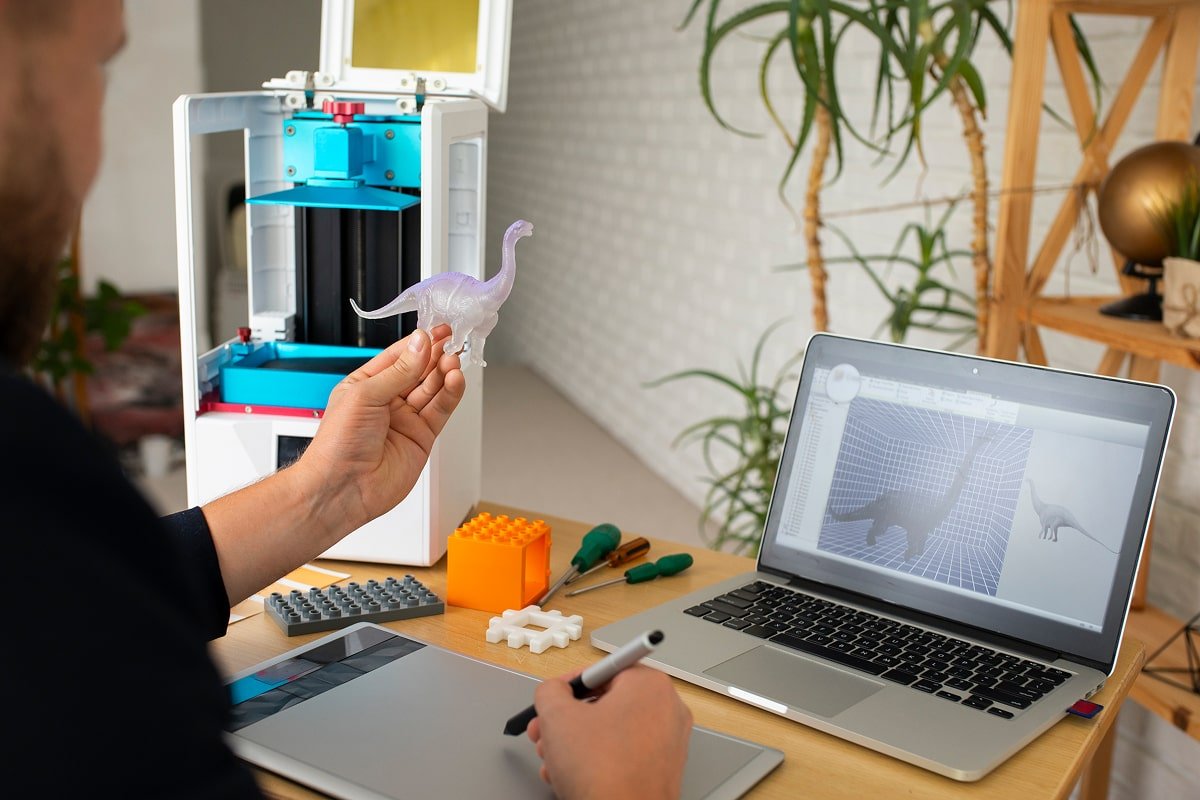
The 3D printing industry has transformed modern manufacturing. From rapid prototyping and custom consumer goods to aerospace components and medical implants, additive manufacturing is reshaping how products are designed and delivered.
However, while innovation drives this industry forward, many 3D printing companies face a less-discussed challenge: payment processing restrictions.
Traditional banks and mainstream payment providers often label 3D printing businesses as “high-risk.” As a result, companies struggle with merchant account approvals, unexpected fund holds, chargebacks, and even sudden account closures.
If you operate a 3D printing service, understanding why you’re categorized as high-risk — and how specialized high-risk payment processing can protect your revenue — is essential.
Why Are 3D Printing Businesses Classified as High-Risk?
Payment processors assess risk based on transaction patterns, industry regulations, dispute rates, and fraud exposure. Unfortunately, several characteristics of 3D printing businesses trigger red flags.
1. High-Value Transactions & Chargeback Exposure
Many 3D printing companies handle:
- Industrial manufacturing contracts
- Custom-engineered parts
- Bulk B2B orders
- Specialized medical or aerospace components
These transactions often range from hundreds to thousands of dollars.
High-ticket sales automatically increase risk for payment processors. If a customer disputes a $5,000 order, the financial impact is much greater than a $50 eCommerce item.
Additionally, 3D printed products are typically:
- Custom-made
- Non-refundable
- Designed to customer specifications
If a buyer claims dissatisfaction, delays, or quality concerns, they may file a chargeback. Since custom goods can’t easily be resold, businesses often absorb the loss.
From a bank’s perspective, this creates a higher dispute probability — leading to the high-risk label.
2. Intellectual Property & Legal Concerns
The 3D printing industry operates in a complex legal environment.
Common regulatory concerns include:
- Unauthorized reproduction of patented designs
- Copyright infringement
- Product liability claims
- Export restrictions for sensitive parts
For example, recreating proprietary mechanical components or restricted aerospace designs can create compliance risks. Even if your business operates legally, payment processors may hesitate due to potential intellectual property disputes.
This regulatory uncertainty makes traditional banks cautious.
3. Fraud & Card-Not-Present Risks
Most 3D printing companies operate online, accepting remote payments through websites or digital platforms. That means:
- Card-not-present transactions
- International orders
- Large digital file uploads
Fraudsters sometimes use stolen credit cards to purchase high-value prints. When the real cardholder disputes the transaction, the business loses both the product and the payment.
Because 3D printing is still considered a niche industry, some fraud detection systems are not optimized for it. This increases risk exposure for processors.
4. Long Production & Delivery Timelines
Unlike traditional eCommerce stores that ship ready-made products, 3D printing involves:
- Design revisions
- Prototype testing
- Material sourcing
- Production timelines that may take days or weeks
If customers grow impatient and initiate a chargeback before delivery, the merchant loses funds — even if the order is legitimate.
Long fulfillment cycles are another major reason payment providers classify 3D printing services as high-risk businesses.
Common Payment Processing Challenges for 3D Printing Companies
When working with traditional processors, 3D printing companies often encounter serious operational disruptions.
1. Sudden Account Freezes

Mainstream payment providers closely monitor chargeback ratios. If they exceed acceptable thresholds, they may:
- Freeze funds for 90–180 days
- Suspend payment processing
- Terminate merchant accounts without warning
For a growing 3D printing company, this can cripple cash flow overnight.
2. Merchant Account Rejections
Banks prefer low-risk industries with predictable transaction behavior. Because 3D printing includes:
- Custom manufacturing
- Variable pricing
- B2B contracts
- International payments
Approval rates are often lower than standard retail businesses.
Without a reliable high-risk merchant account, companies may struggle to accept:
- Credit cards
- Digital wallets
- International payments
3. High Processing Fees & Rolling Reserves
Even when approved, high-risk businesses typically face:
- Processing fees between 3%–6%
- Chargeback fees
- Rolling reserves (5–10% of revenue held for months)
While higher fees are expected in high-risk industries, unfair contract terms can significantly reduce profit margins.
Choosing the right high-risk payment processor helps minimize these costs.
4. Limited Payment Options
Customers expect flexible payment methods. Restricting options can reduce conversion rates.
A 3D printing company that only accepts:
- Wire transfers
- Bank transfers
- Cryptocurrency
may lose customers who prefer:
- Visa & Mastercard
- Digital wallets
- Local payment methods
A strong payment partner expands your payment ecosystem.
How High-Risk Payment Processors Support 3D Printing Businesses
Specialized high-risk payment providers understand the unique nature of additive manufacturing businesses.
Here’s how they help:
1. Dedicated High-Risk Merchant Accounts
Unlike traditional banks, high-risk processors:
- Accept higher chargeback thresholds
- Evaluate business models more accurately
- Structure accounts around industry realities
This reduces the risk of sudden shutdowns.
2. Advanced Fraud Prevention Tools

Modern high-risk payment providers offer:
- 3D Secure authentication
- AI-powered fraud screening
- Velocity checks
- Device fingerprinting
- Real-time transaction monitoring
These tools significantly reduce fraudulent transactions and protect revenue.
3. Chargeback Management & Dispute Assistance
Top-tier processors provide:
- Early chargeback alerts
- Representment support
- Automated dispute tracking
- Evidence submission tools
Instead of losing disputes automatically, businesses gain the tools needed to fight invalid claims.
4. Multi-Currency & Global Payment Support
Many 3D printing businesses operate internationally. High-risk processors can provide:
- Multi-currency merchant accounts
- Offshore acquiring banks
- Reduced cross-border decline rates
- Localized payment routing
This improves approval rates and lowers international transaction fees.
5. Faster Approvals & Onboarding
Traditional banks may take weeks to review applications.
High-risk processors often approve accounts within days, helping businesses:
- Launch faster
- Avoid downtime
- Maintain cash flow stability
How to Choose the Best High-Risk Payment Processor for 3D Printing
Not all high-risk providers are equal. Choosing the right partner is critical.
1. Industry Experience Matters
Select a processor with experience in:
- Manufacturing
- Custom-made goods
- High-ticket transactions
- B2B and B2C models
Ask if they’ve worked with other 3D printing companies.
2. Transparent Pricing Structure
Look for:
- Clear transaction fees
- Reasonable rolling reserves
- No hidden setup costs
- Month-to-month contracts
Avoid long-term lock-in agreements unless terms are favorable.
3. Strong Fraud & Chargeback Tools
Ensure the processor offers:
- 3D Secure
- AI-based fraud monitoring
- Chargeback alerts
- Dispute management dashboards
Prevention is always more cost-effective than reacting after losses occur.
4. Reliable Customer Support

Payment issues require fast solutions. Choose a provider that offers:
- 24/7 support
- Dedicated account managers
- Fast response times
- Clear escalation procedures
Strong support minimizes downtime.
5. Positive Reviews & Case Studies
Research testimonials from similar businesses. A proven track record with manufacturing or high-risk eCommerce companies indicates reliability.
Final Thoughts: Protecting Revenue in the 3D Printing Industry
The 3D printing industry is innovative, fast-growing, and full of opportunity. However, its business model — high-ticket custom orders, long production cycles, and regulatory complexities — makes payment processing more challenging than traditional retail.
Without a specialized high-risk payment processor, 3D printing businesses risk:
- Frozen funds
- Account shutdowns
- Excessive chargebacks
- Lost international sales
Partnering with an experienced high-risk payment provider ensures:
- Stable merchant accounts
- Fraud protection
- Flexible global payments
- Reduced operational risk
If your 3D printing company has faced payment processing disruptions, now is the time to switch to a solution built specifically for high-risk industries.
A secure and reliable payment system isn’t just a backend tool — it’s the foundation of sustainable growth in the 3D printing market.


