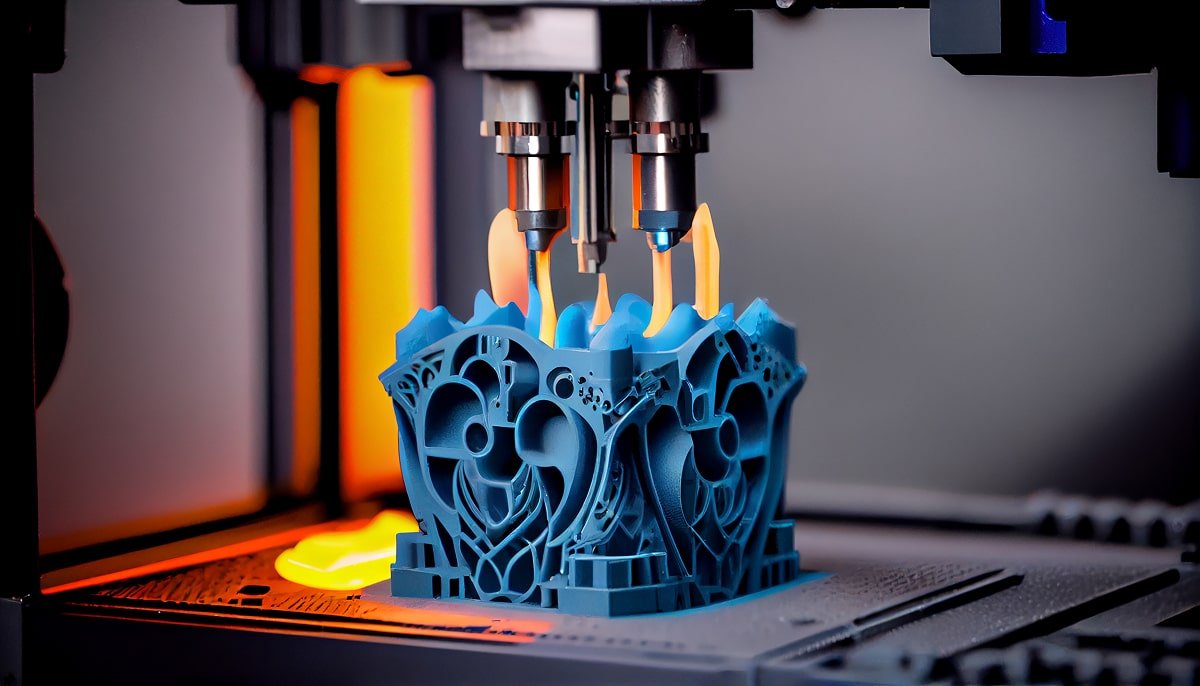
The UK 3D printing industry is booming. From custom prototypes and medical devices to architectural models and bespoke consumer products, the demand for 3D printing services continues to grow rapidly.
However, while innovation is exciting, payment processing can be complicated — especially when your business is classified as high-risk.
If you’re running or planning to start a 3D printing company, securing a high risk merchant account in the UK is one of the most important steps to ensure smooth operations.
In this complete guide, we’ll explain:
- Why 3D printing businesses are considered high-risk
- How to open a merchant account for 3D printing services
- What documents you need
- How to reduce chargebacks
- How to choose the best high-risk merchant service provider
Let’s get started.
Why Is a 3D Printing Business Considered High-Risk in the UK?
Many entrepreneurs are surprised when traditional banks reject their merchant account application. But from a payment processor’s perspective, 3D printing businesses present certain risks.
Here’s why:
 High Chargeback
Potential
High Chargeback
Potential
Custom products often lead to disputes if the final item does not match customer expectations. Since 3D prints are usually made-to-order, refunding isn’t always straightforward.
 Intellectual Property
Concerns
Intellectual Property
Concerns
3D printing can involve copyrighted designs, patented products, or branded replicas. Banks worry about IP violations.
 Regulated Products
Some 3D printing companies produce:
- Medical devices
- Mechanical components
- Firearm-related parts (restricted)
This increases compliance scrutiny.
 High Transaction Values
Bespoke 3D printing projects can cost hundreds or even thousands of pounds — larger transactions mean greater risk exposure for processors.
Because of these factors, many financial institutions classify the industry under high-risk business bank account UK categories.
This doesn’t mean you can’t get approved — it simply means you need the right provider.
Step 1: Choose a High-Risk Merchant Account Provider That Understands Your Industry
Not all payment processors support high-risk businesses. In fact, mainstream banks often decline applications outright.
When searching for a high risk merchant account UK, look for providers that:
- Specialize in high-risk industries
- Offer flexible underwriting
- Provide fraud prevention tools
- Allow scalable processing volumes
- Have experience with manufacturing or custom production businesses
Working with a specialist high-risk payment processor significantly increases approval chances.
Step 2: Understand the Costs of High-Risk Merchant Accounts
High-risk merchant accounts typically have higher fees than standard accounts. This is normal and reflects the perceived risk level.
Here are the typical fees you should expect:
- Setup fees
- Monthly maintenance fees
- Transaction fees (2.5%–6% depending on risk profile)
- Chargeback fees
- Rolling reserves (sometimes required)
When comparing providers, avoid focusing only on price. Stability and reliability matter more than slightly lower transaction rates.
Step 3: Prepare All Required Documentation

Preparation improves approval speed.
Most UK high-risk merchant service providers will request:
Business Documentation
- Companies House registration
- Certificate of incorporation
- VAT registration (if applicable)
Identity Documents
- Passport or driving license
- Proof of address
Financial Details
- Business bank account information
- Previous 3–6 months of processing statements (if available)
- Expected monthly volume
- Average transaction size
Website & Compliance
- Live website with clear product descriptions
- Refund and return policy
- Terms and conditions
- Privacy policy
- PCI-DSS compliance confirmation
For high-risk categories like 3D printing, underwriters may also request:
- Risk mitigation plan
- Fraud prevention strategy
- Clear quality control procedures
Being transparent improves trust.
Step 4: Go Through the Underwriting Process
Once submitted, your application goes through underwriting.
The processor evaluates:
- Credit history
- Business model
- Industry risk exposure
- Chargeback risk
- Financial stability
Approval timelines vary from 3 days to 2 weeks depending on complexity.
If approved, you’ll receive:
- Merchant ID (MID)
- Access to payment gateway
- Settlement schedule
- Integration instructions
Step 5: Integrate a Secure Payment Gateway

Once your merchant account is active, you must integrate payment processing into your website or invoicing system.
Important steps include:
 SSL Encryption
Your website must use HTTPS.
PCI-DSS Compliance
This ensures secure card handling.
Multiple Payment Options
Offer:
- Visa
- Mastercard
- Digital wallets
- Bank transfers
Fraud Detection Tools
Enable:
- Address Verification (AVS)
- CVV verification
- 3D Secure authentication
This reduces disputes significantly.
How to Reduce Chargebacks in a 3D Printing Business
Since 3D printing is a high-risk sector, managing disputes is critical.
Here’s how:
Provide Detailed Product Descriptions
Include dimensions, materials, tolerances, and realistic images.
Set Clear Expectations
Explain production timelines and customization limitations.
Use Signed Delivery Confirmation
Always obtain proof of delivery.
Maintain Transparent Refund Policies
Custom products should have clearly defined refund conditions.
Respond Quickly to Customer Complaints
Many chargebacks happen because customers can’t reach support.
Traditional Banks vs High-Risk Specialists: What’s the Difference?
Traditional Bank:
- Approval Rate: Low
- Industry Knowledge: Limited
- Fraud Tools: Basic
- Flexibility: Rigid
- Support: Standard
High-Risk Specialist:
- Approval Rate: High
- Industry Knowledge: Specialized
- Fraud Tools: Advanced
- Flexibility: Flexible
- Support: Dedicated
For 3D printing businesses, specialized providers offer a much smoother experience.
Why Working with an Experienced High-Risk Payment Partner Matters
Choosing the wrong provider can lead to:
- Frozen funds
- Sudden account termination
- High rolling reserves
- Business disruption
A stable merchant account ensures:
- Consistent cash flow
- Faster settlements
- Lower dispute ratios
- Business scalability
Final Thoughts
Opening a merchant account for 3D printing services in the UK may seem complicated at first, but with the right approach, it’s entirely achievable.
The key steps include:
- Understanding why your industry is considered high-risk
- Choosing experienced high-risk merchant service providers
- Preparing complete documentation
- Implementing strong fraud and chargeback prevention strategies
With a reliable high risk merchant account UK solution in place, your 3D printing business can operate smoothly, scale confidently, and accept payments without interruption.
If you’re serious about building a stable payment infrastructure for your 3D printing company, working with a provider that understands high-risk industries makes all the difference.
Your innovation deserves reliable payment processing.


